What a jury actually pays attention to
Sixty trials as a public defender and a decade in civil court taught me that jurors watch three things, and none of them is your closing.
Lawyers love closing arguments. We rehearse them, we quote them, we imagine them as the moment the case turns. Jurors, in my experience, have largely made up their minds by then. What they are doing during the closing is checking whether the lawyer's story matches the one they have already assembled. If it does not, the closing will not save you.
So what do they watch? The first thing is whether the lawyer is honest about weakness. Every case has a bad fact. The jury will find it, usually before you mention it. A lawyer who names the bad fact early, explains it plainly and moves on earns a credit that lasts the whole trial. A lawyer who hides it spends the rest of the week being disbelieved about everything else.
The second thing is how the lawyer treats the witnesses, especially the ones on the other side. Jurors identify with witnesses, not with lawyers. If you humiliate a nervous clerk on cross-examination, you have not won a point; you have made twelve people wonder what you would do to them. Cross-examination is a series of short, fair questions the witness must agree with. Ask them, sit down, and let the jury draw the conclusion themselves. They will trust a conclusion they reached far more than one you announced.
The third thing is the documents. Jurors read exhibits in the deliberation room with a care that would shame most associates. The timeline of a case, who knew what and when, is what they reconstruct, and the lawyer who has laid out that timeline cleanly, with dates on a board and documents in order, has done most of their thinking for them. In the whistleblower case I still talk about, the verdict came in under two hours because a single internal email put the termination decision two days after the safety complaint. Nobody needed my closing.
What does not matter as much as we think: eloquence, suits, the number of lawyers at the table, and whether you object frequently. Jurors notice objections mainly as interruptions. They notice eloquence mainly as a sign that someone is working hard to persuade them of something, which makes them wonder why.
The practical consequence of all this is that trials are won in preparation. The honest statement of the weak fact is drafted weeks out. The cross-examination questions are written so that each one has only one truthful answer. The documents are ordered, numbered and understood. By the time the jury is sworn, the lawyer's job is mostly to stay out of the way of a story that already makes sense.
I learned this in the Public Defender's office, where the jury usually walked in assuming my client was guilty and the only tool I had was credibility. It turns out that is the only tool anyone has. The courtroom is just where you find out whether you built it.
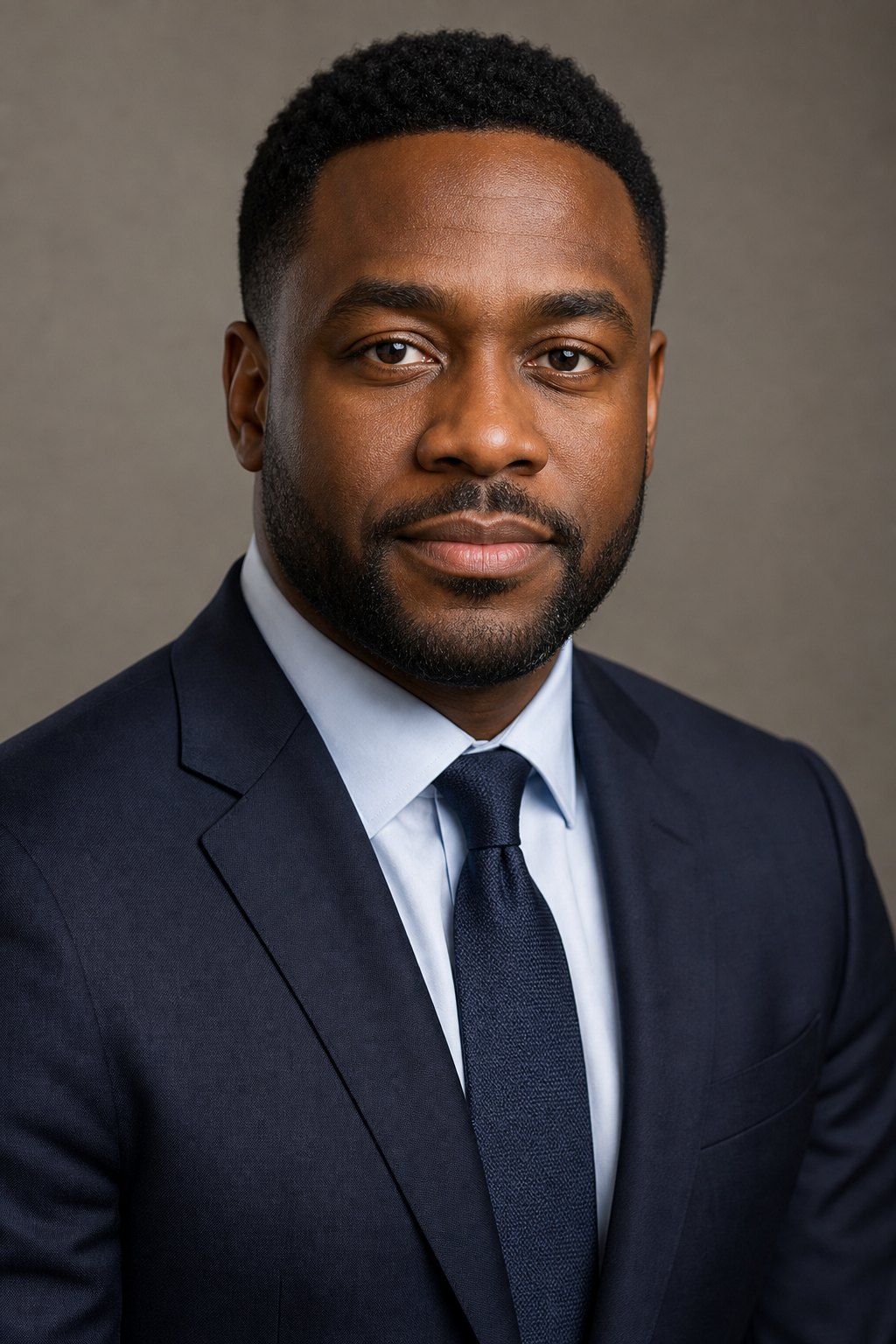
Trial lawyer, former public defender, and the calmest person in any courtroom.
More from Inkwell
What a community bank should do when a customer's business is in trouble — Daniel Reyes
You should never have to guess what you're paying for — Hannah Weiss
How to read an annuity contract — James Whitfield